TE
AWARUA
Join us in rejuvenating the future of Te Awarua together...
KAI ORA
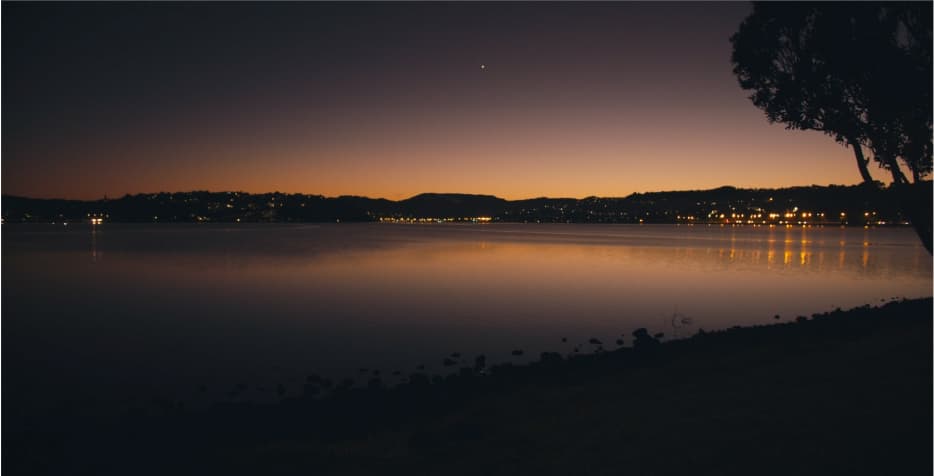
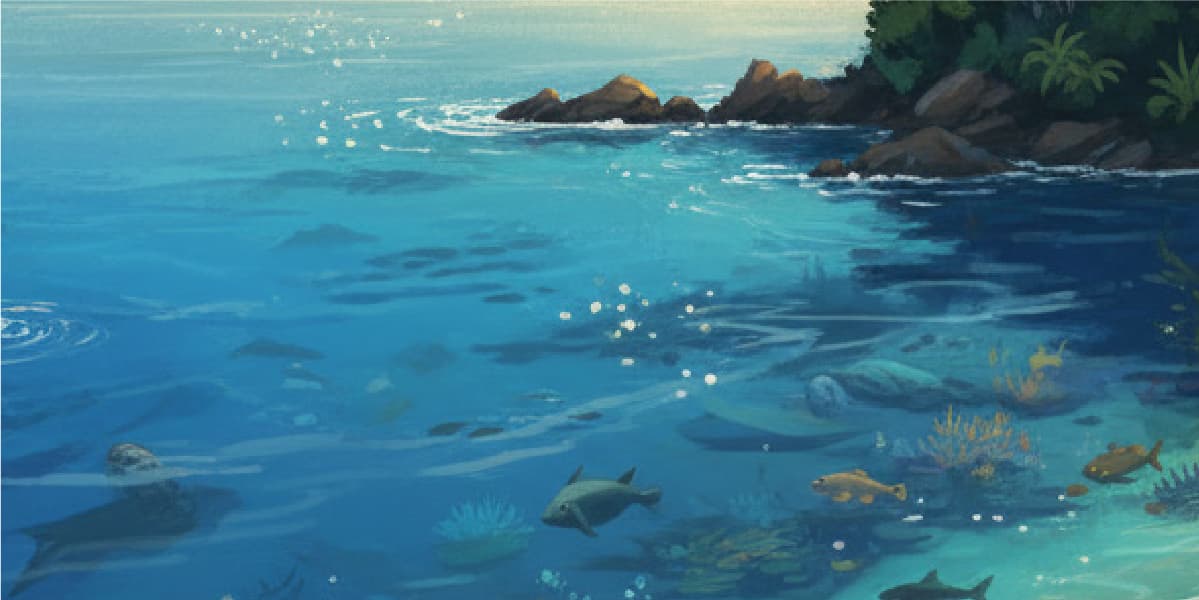
Before people arrived, the harbour breathed — a living lung of land and sea. Its taniwha watched, its waters spoke.
A Living Story of Transformation, Kaitiakitanga and Return.
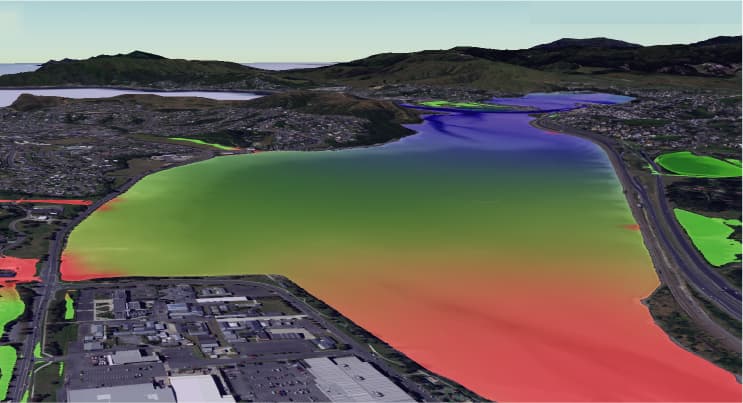
Today, through platforms like Ko Te Karanga nō Te Awarua o Parirua — a visualisation project and storytelling initiative developed by Ngāti Toa Rangatira in partnership with PHF Science — the harbour speaks again. Powered by the Te Awarua Kai Ora, the platform merges science, cultural
narrative and lived experience to bring data to life. It enables decision-makers, communities, and rangatahi to see, feel, and respond to the changing health of their awa and harbour. It is more than a tool — it is a digital pou, a living expression of restoration and resurgence.


With the arrival of Ngāti Toa, the harbour became the womb of sustenance, identity, and whakapapa.
Stories and songs were etched into the shoreline.

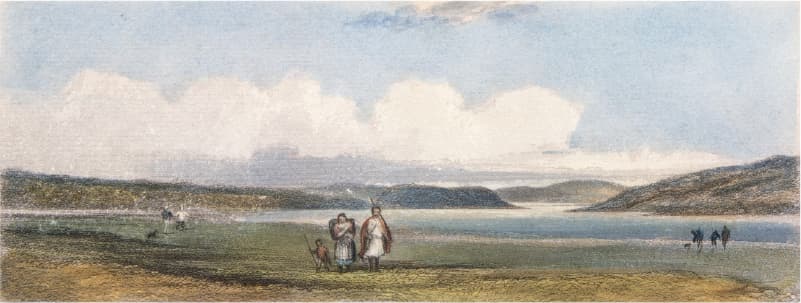
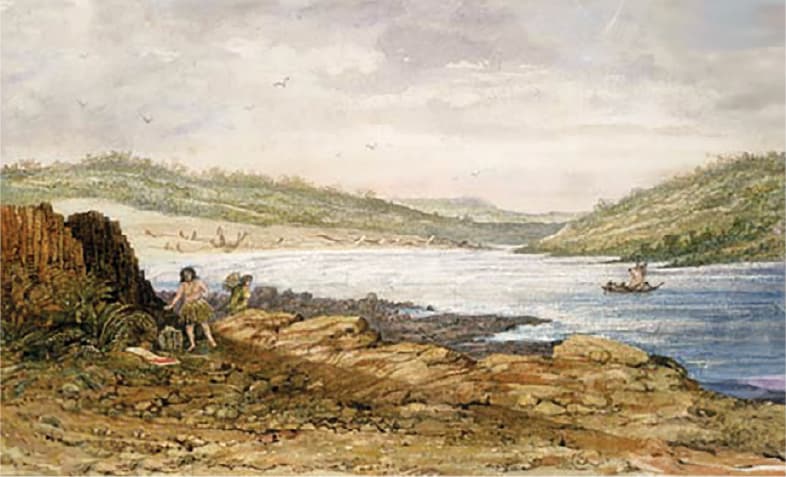
This watercolour by Samuel Brees from the early 1840s shows a waka (canoe) on Porirua Harbour, with somebody collecting shellfish on the rocky shore. Ref: Alexander Turnbull Library, B-031-028 by Samuel Charles Brees.
[Brees, Samuel Charles] 1810-1865 : Porerua Harbour [Between 1842 and 1845. Drawn by S C Brees. Engraved by Henry Melville. London, 1847 Plate] 35, Alexander Turnbull Library
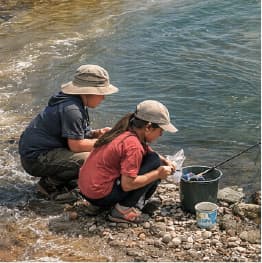
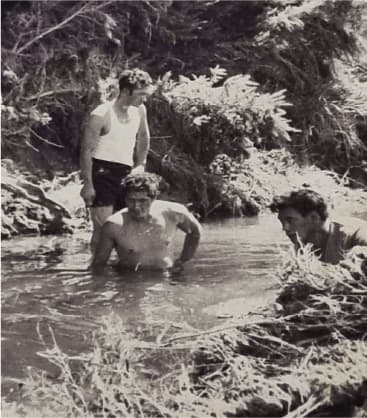
Cousins harvesting tuna from Horokiwi Awa — mahinga kai, whānaungatanga.
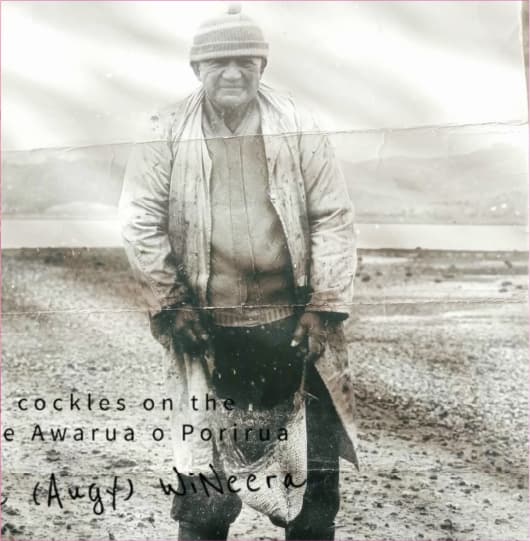
Akuhata WiNeera gathering tuangi — when customary harvest was part of everyday life.
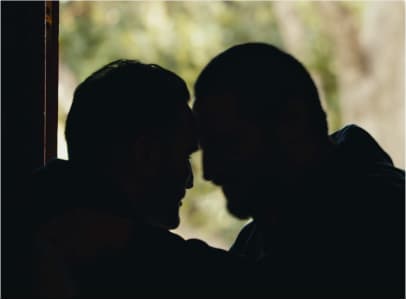
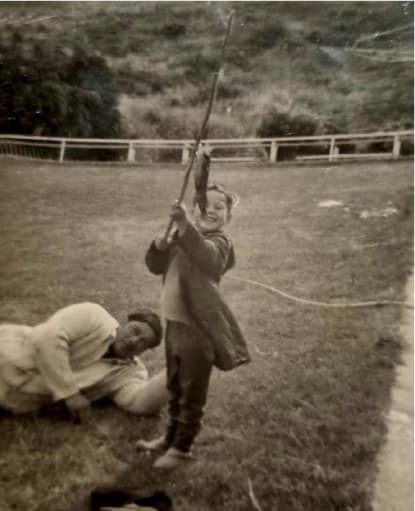
A father teaching his son — knowledge passed down through presence and practice.
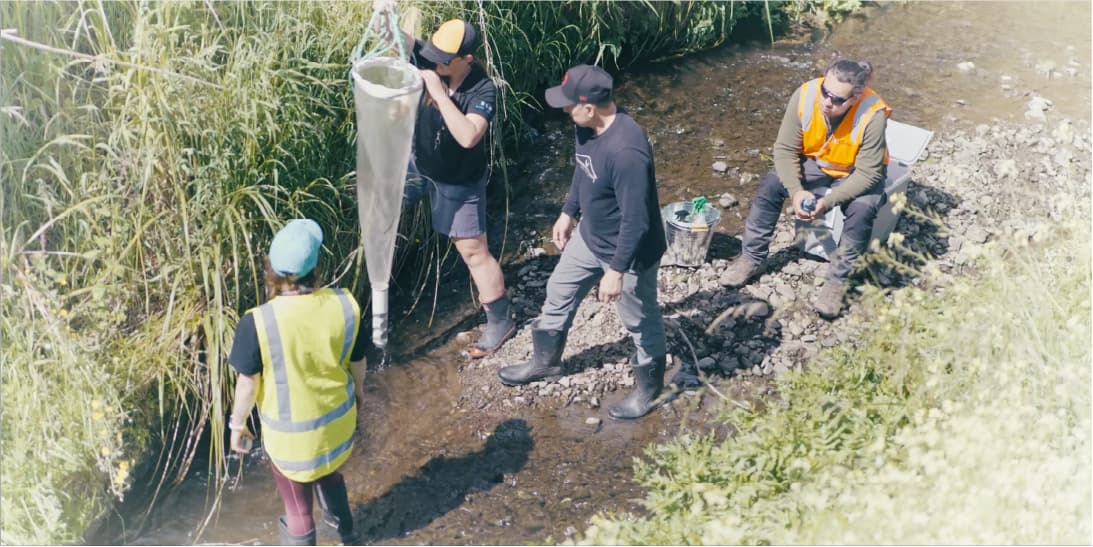
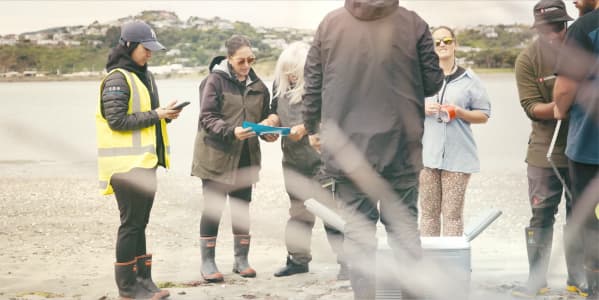
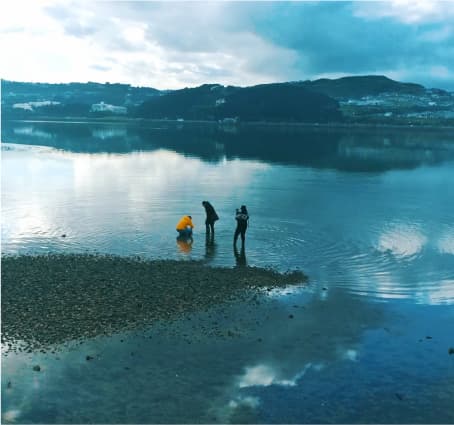
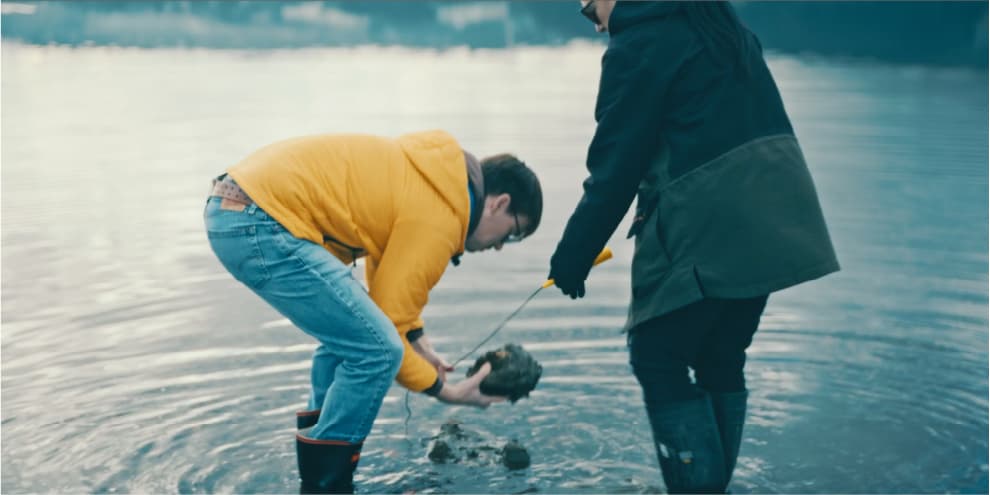
Deploying passive samplers to detect human-associated viral markers — supporting long-term harbour surveillance.
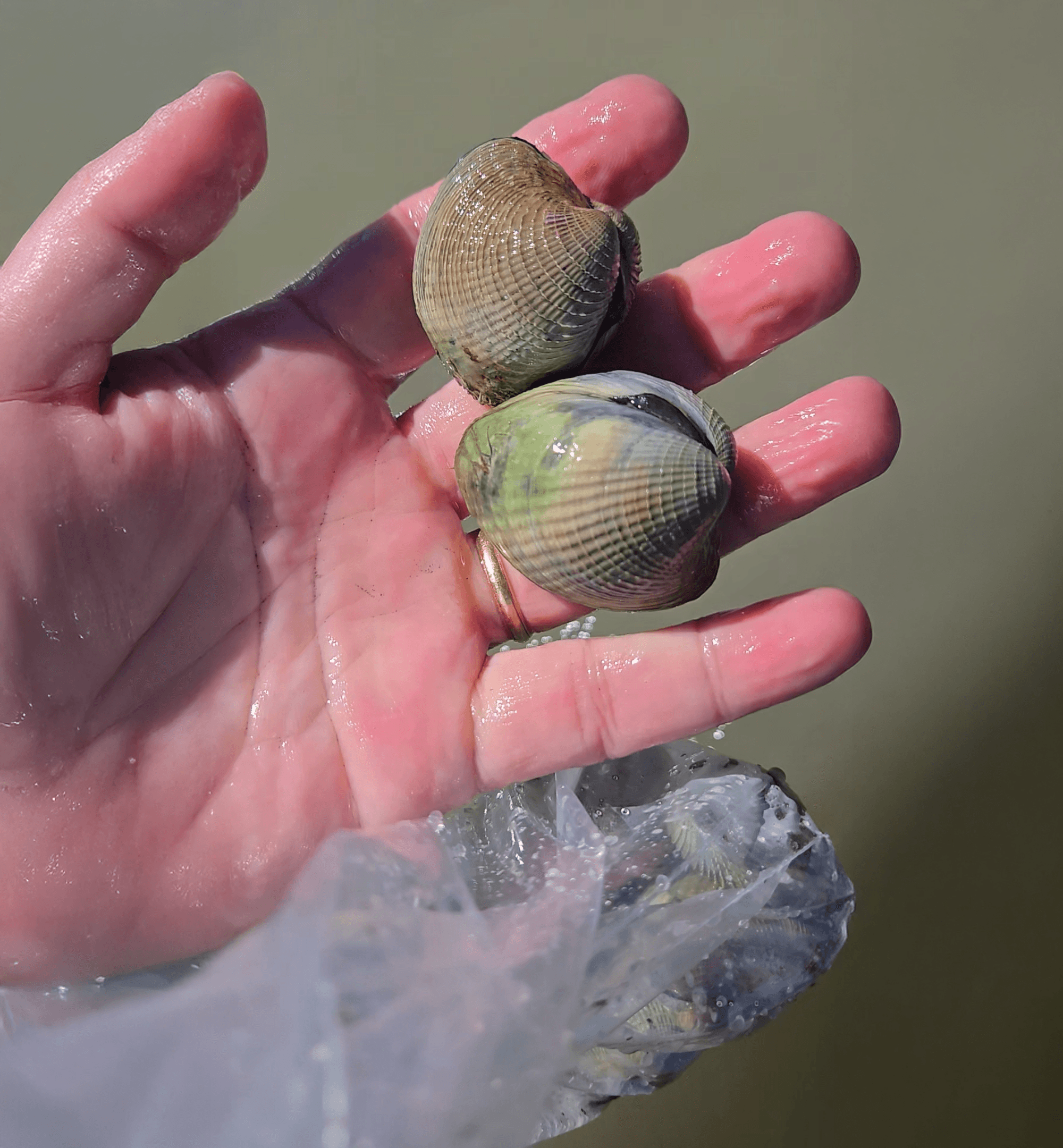
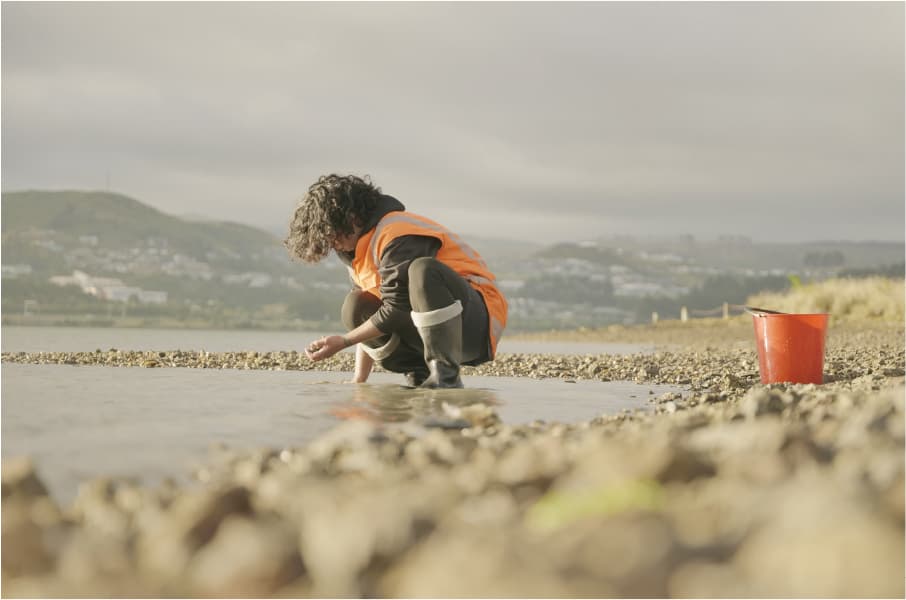
Tuangi from Te Onepoto — assessing today so harvest may safely return tomorrow
In recent years, as the health of Te Awarua declined and its mauri flickered beneath layers of silt, pollutants, and policy,
Ngāti Toa and key allies began to respond...
Through the weaving of
ancestral knowledge, scientific inquiry, and shared concern, a kaupapa took form —
to uplift the voice of the harbour and restore its hauora.
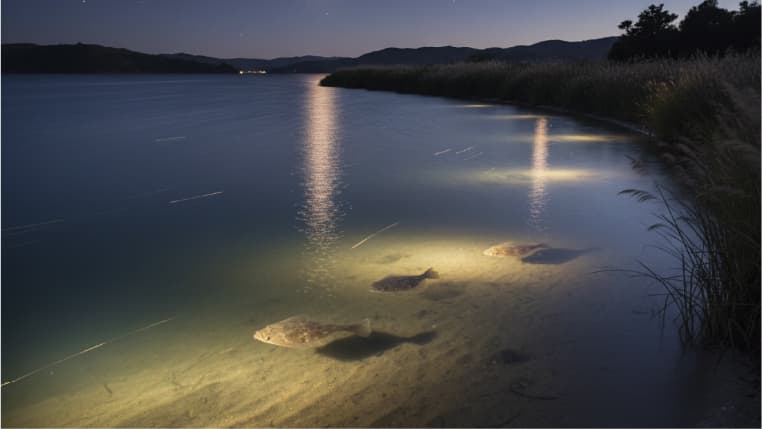
MAURI IS RESTORED
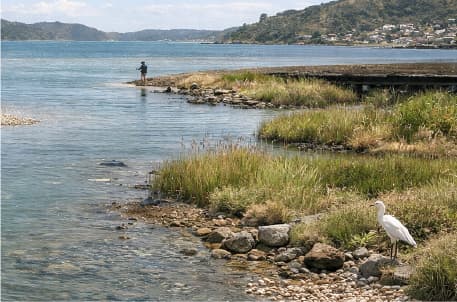
Te Awarua thrives again – a harbour alive with hauora.
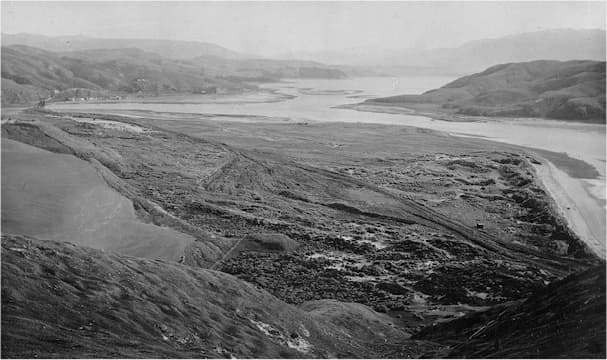
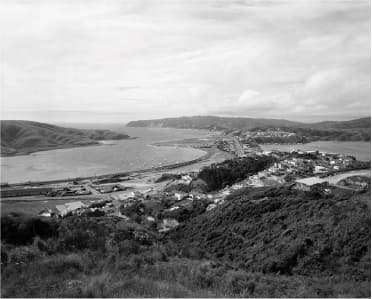
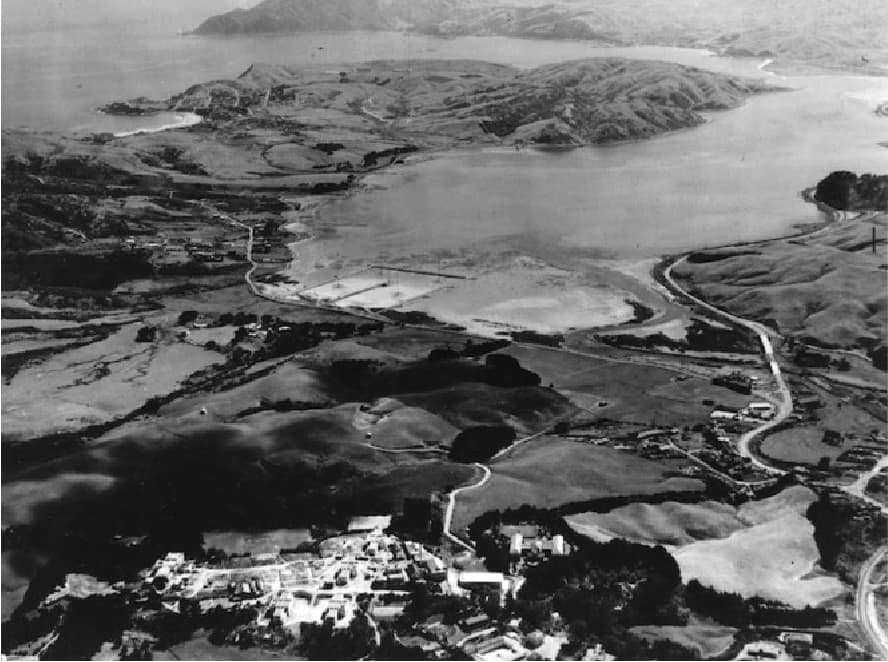
Porirua Harbour and Paremata. Shows the ruins of the Paremata Redoubt in the distance, just above centre. Photograph taken circa 1910s by G L Adkin.
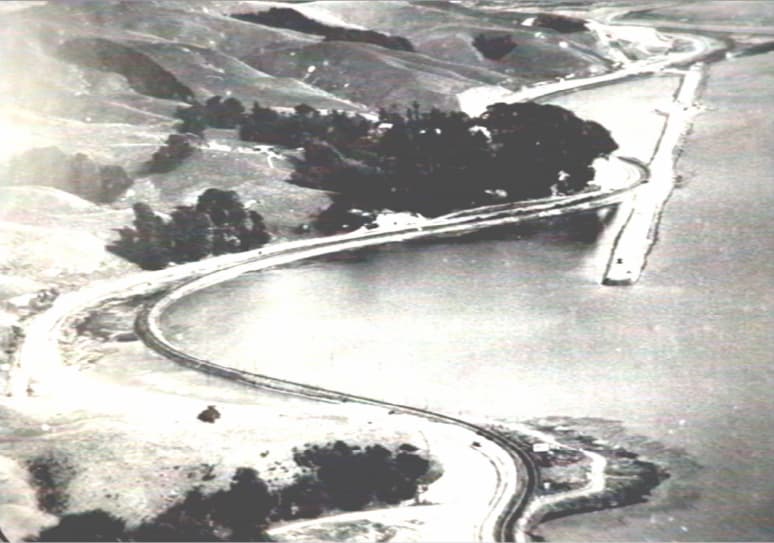
Porirua, showing radio range station reclamation (in progress), 1947
Overlooking Paramata and Porirua Harbour in the 1960s. Mana and Cambourne are in the distance. Photograph taken by Duncan Winder.
OUR PAST
OUR PRESENT
OUR FUTURE
I am the flowing water, holding the pulse of land and people. My rhythm carved the estuary, nurtured life, and carried stories of Ngāti Toa.
Explore the latest monitoring reports, research findings and video documentation from Te Awarua o Porirua.
These resources track the ongoing health of the harbour through scientific sampling, sediment analysis and community-led restoration efforts.
Te Awarua o Porirua – Health Assessment Monitoring Overview
This is a report about Programme Context & Kaupapa. Monitoring Events 1–4 were initiated following the July 2021 wastewater infrastructure failure and subsequent rāhui placed by Ngāti Toa Rangatira. The programme was delivered in partnership with PHF Science to establish a seasonal baseline assessment of microbial, viral, and chemical indicators across five culturally significant mahinga kai sites.
Te Awarua o Porirua – SSIF Passive Monitoring Study Case (2024–2025) Executive Summary.
This is a report about Te Awarua is a tāonga. This study evaluated whether passive samplers can reliably detect human faecal/sewage contamination in the harbour.
Te Awarua o Porirua – Microplastics Sampling
This is a report about The aim of this study was to investigate the presence and types of microplastics in Te Awarua o Porirua. This study was conducted as part of a broad collaboration between Ngāti Toa Rangatira and ESR Māori Impact Team to understand and enhance the mauri of Te Awarua o Porirua, particularly focused on the ongoing issue of human faecal contamination.
Wai Māori FW3 Monitoring Programme - Summary
This is a report about FW3 was delivered in partnership between Ngāti Toa Rangatira and PHF Science across seven culturally significant awa. Seven sampling events were completed over eight months using both grab samples (point-in-time) and passive samplers (deployed for approximately one week). Cultural Health Assessment (CHA) wānanga led by Ngāti Toa kaitiaki ensured that laboratory results were interpreted alongside mātauranga Māori and lived knowledge of place.
THEFUTURE
MAURI IS RESTORED
Te Awarua thrives again –
a harbour alive with hauora.
Join us in rejuvenating the
future of Te Awarua together

RESOURCES
Porirua city council:
Riparian Planting Programme
GWRC:
Sediment Plates in Te Awarua o Porirua
Takiwa - Sea Level Rise